EM use in Guatemala has expanded nationwide, primarily through the efforts of graduates of EARTH University. These efforts initially focused on river purification, with a full-scale water quality improvement initiative using EM being implemented in Lake Amatitlán, located near the capital.
Environments conductive to EM proliferation were systematically produced, thus naturally purifying the entire lake. As a result, reports attest to a restoration of the ecosystem in the watershed and a revitalized aquatic environment.
The case study of EM technology I am introducing this time is one from the Guatemalan highlands, where floriculture is thriving. The methods used in Colombia’s carnation cultivation are now widespread throughout Central and South America. Farmers in Guatemala are achieving sustainable and profitable production while also reducing the use of chemicals. EM technology has improved flower quality and yield.
The following is an on-site report.
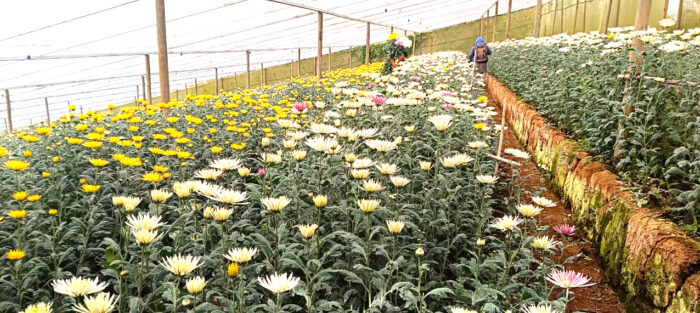
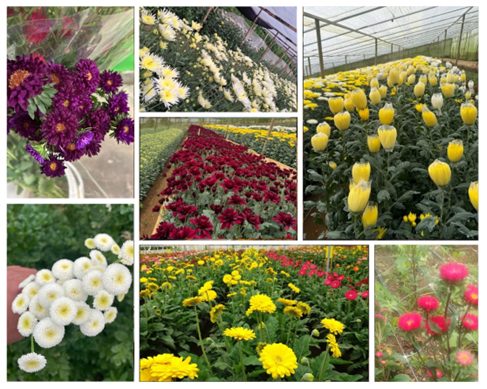
Located approximately 32 km northwest of the capital, Guatemala City, at an altitude of 1,800 meters, Loma Alta is a thriving village, cultivating roses, carnations, lilies, gerberas, baby breath, and chrysanthemums, primarily for export to Mexico, Europe, the United States, and the Middle East. It plays a vital economic and social role as a locally based industry. However, farmers have also faced serious challenges, including the following:
These issues raised concerns not only about reduced productivity and profitability but also the impact the environment and human health.
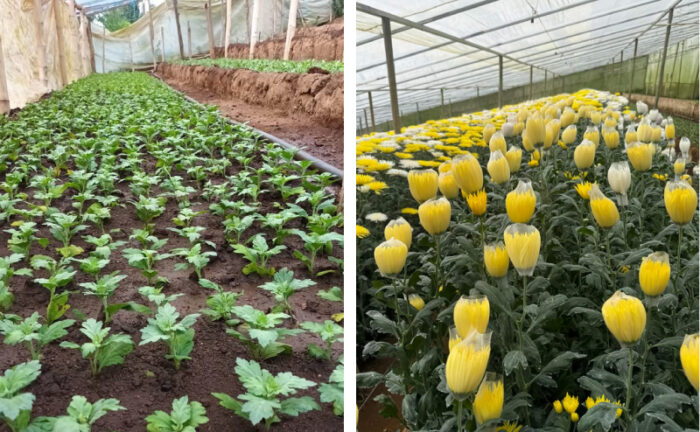
Through the introduction of EM, farmers have transitioned to sustainable cultivation practices and have taken the following measures using EM・1.
These efforts enabled the cultivation of healthy, vigorous mother plants, improving both quality and seedling productivity. Stable harvests every fifteen days were achieved, allowing the production cycle to run smoothly.
The following figures clearly demonstrate the effectiveness of introducing EM technology:
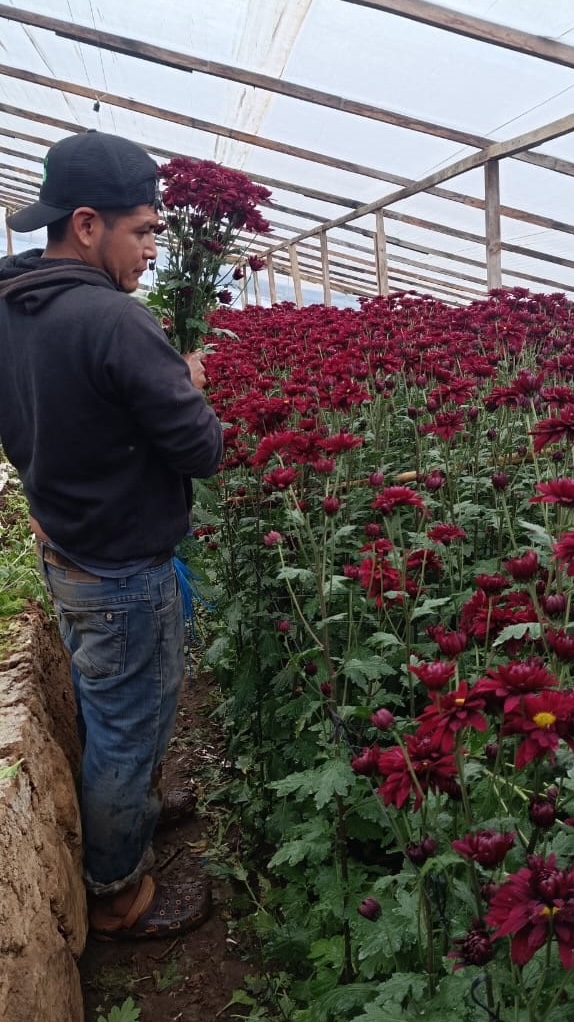
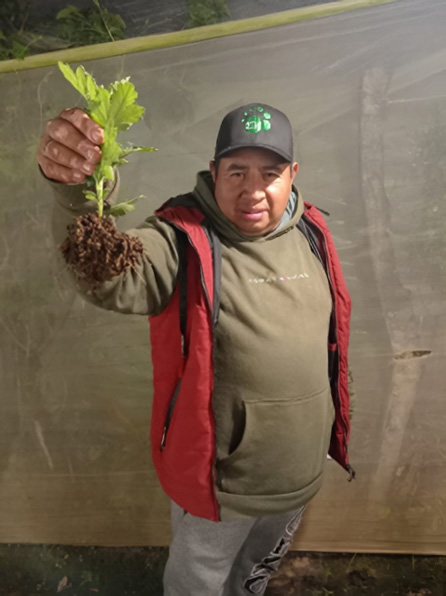
Root condition twenty one days after transplanting using EM ・1
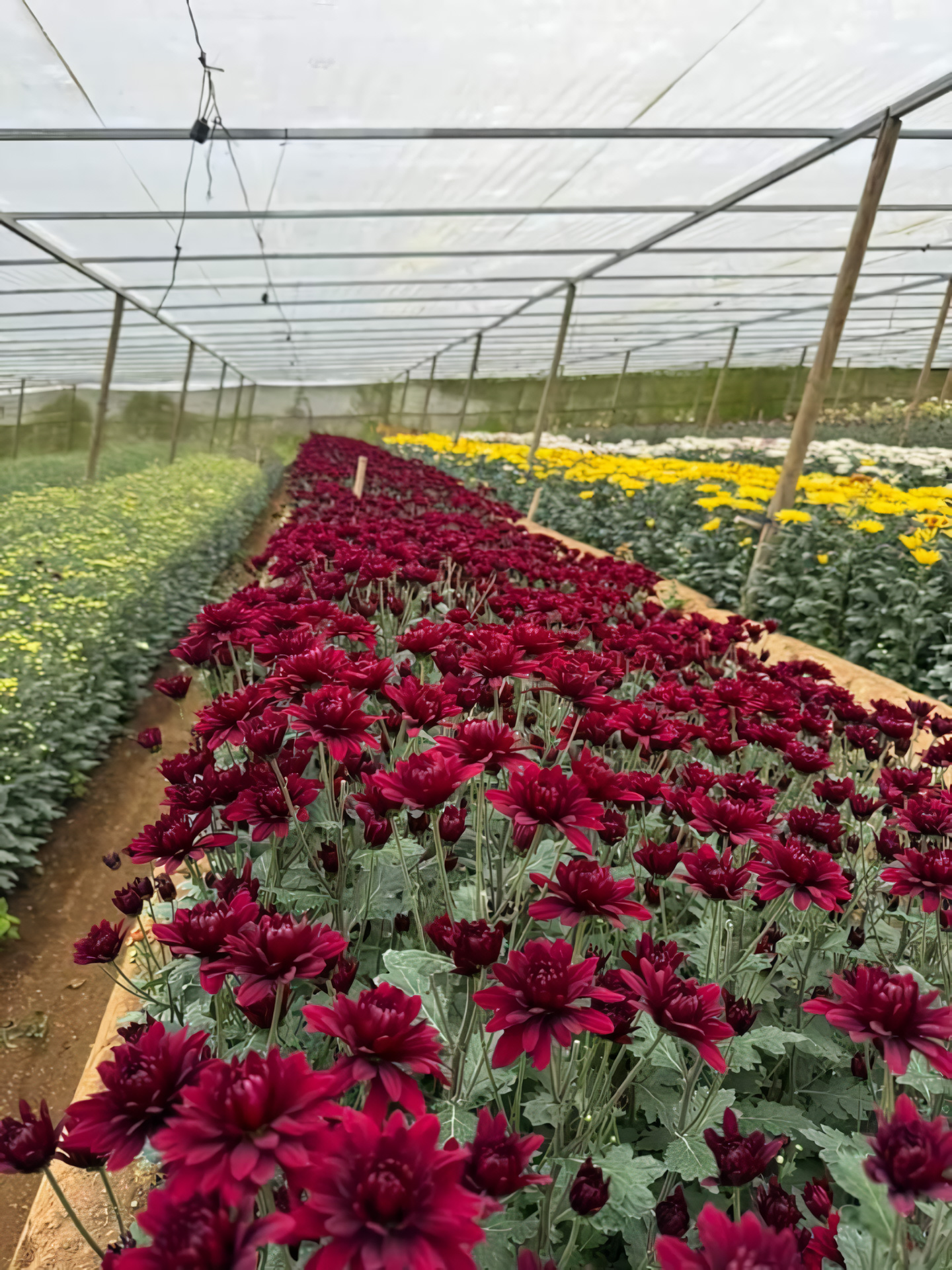
Leaf color improved, flower color more vibrant
In 2024, an “International Seminar on Regenerative Agriculture” was held in the village of Loma Alta, where Guatemalan farmers introduced the results of EM technology to participants from across Latin America. Participants were amazed and deeply interested in the local cultivation examples and improvements.
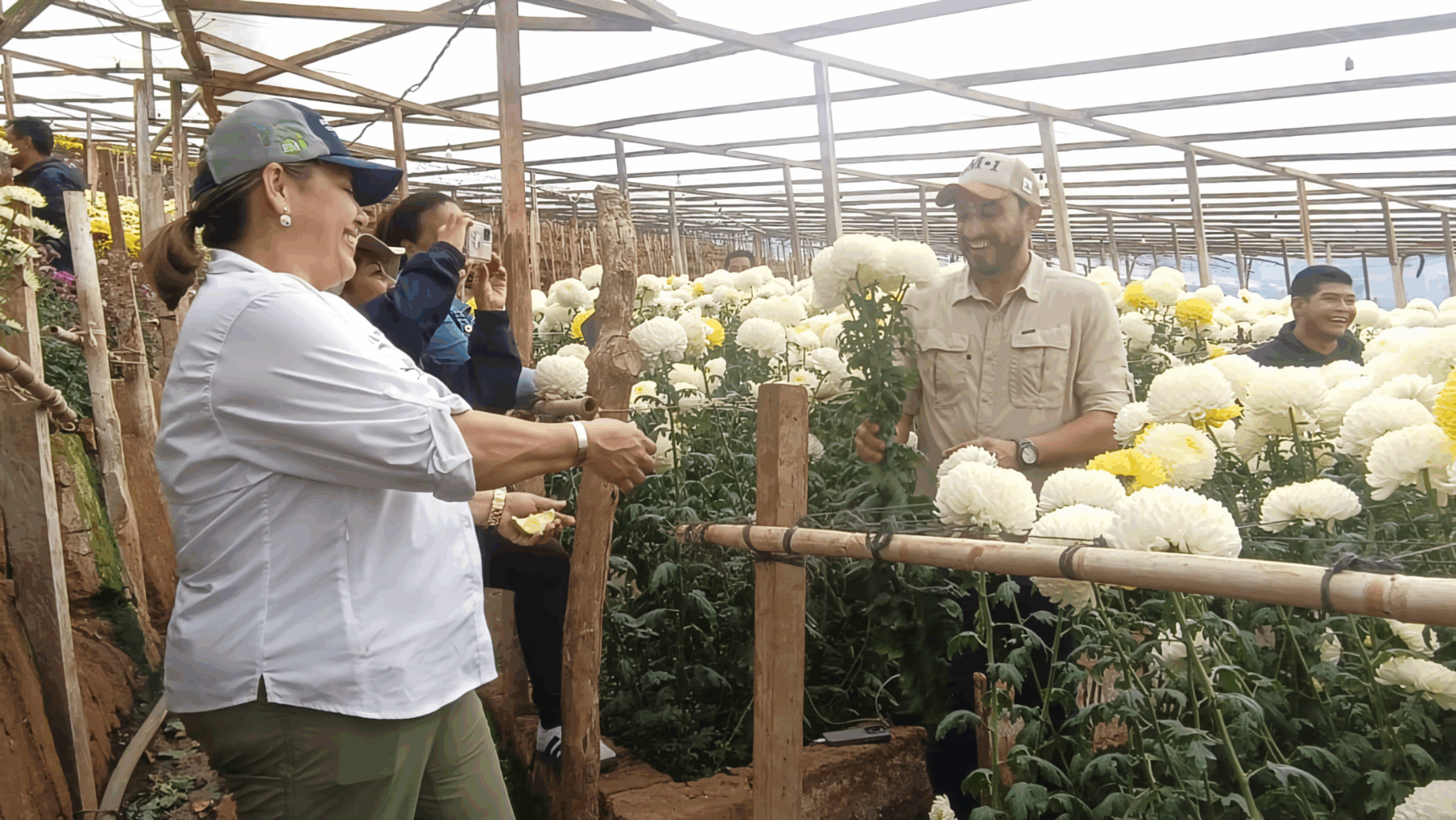
A field visit at the International Seminar on Regenerative Agriculture
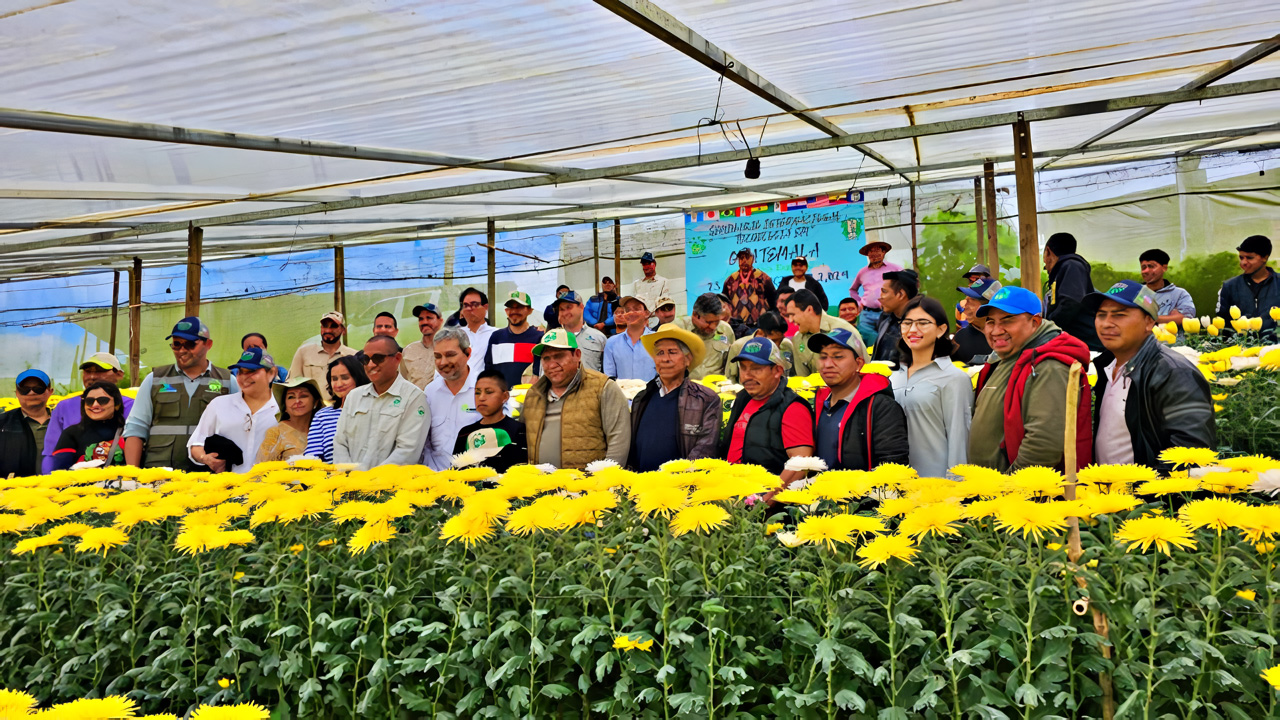
EM is more than just a technology and continues to be a symbol of a beneficial cycle connecting people, the environment, and the future. Guatemala’s efforts may provide new insights for Japanese agriculture as well.
(Source: “Reducing Chemicals and Increasing Profits in Flower Cultivation”/ EM GROUP JAPAN)
Read the original Japanese message at the link below.
2025.10.1 Updated.

EM Research Organization, Inc.|
All Rights Reserved. 2025 © EM Research Organization