Miroku Gardens turn abandoned land into EM farms for safe, chemical-free produce, now at 46 sites across Japan.
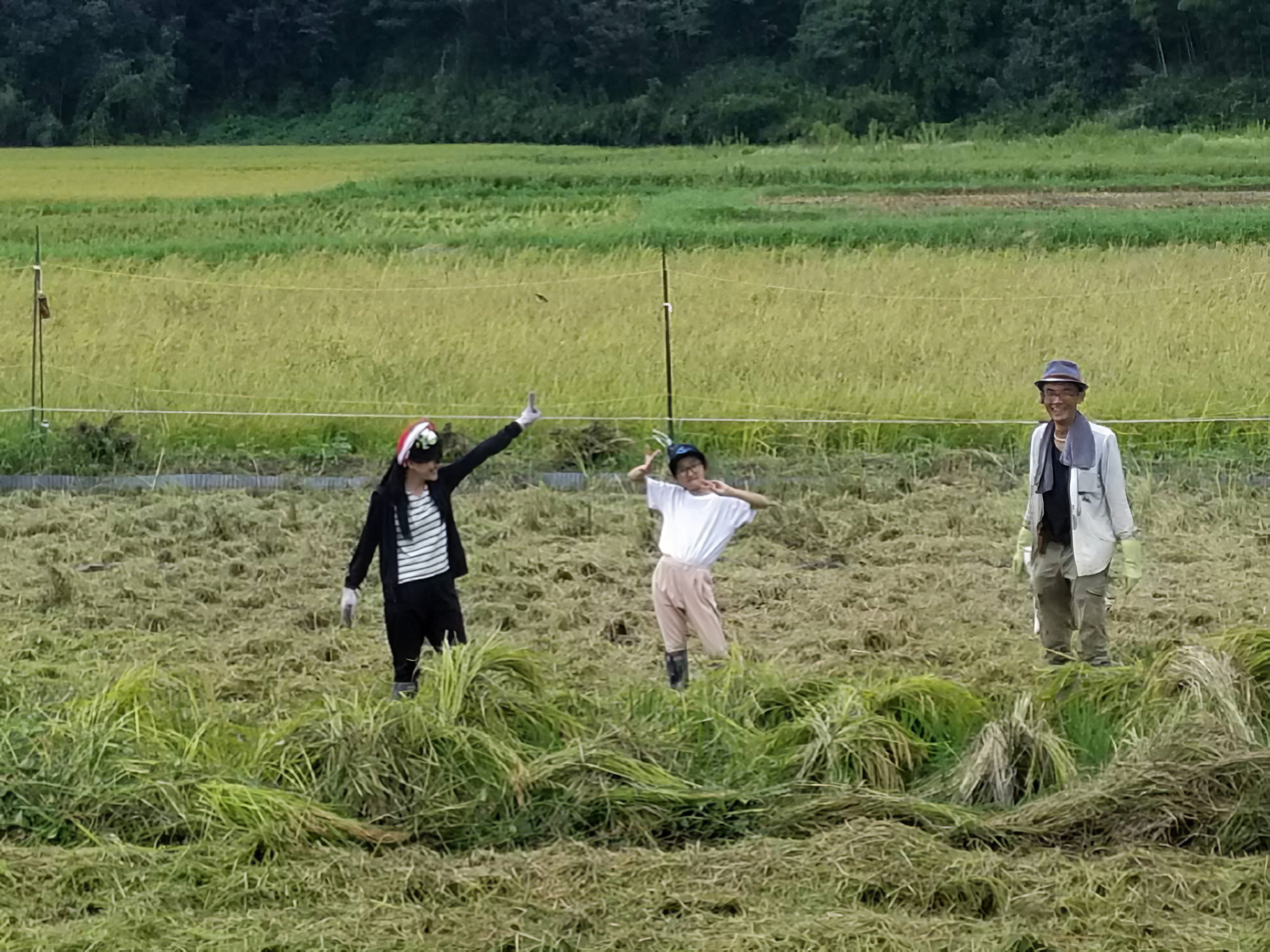
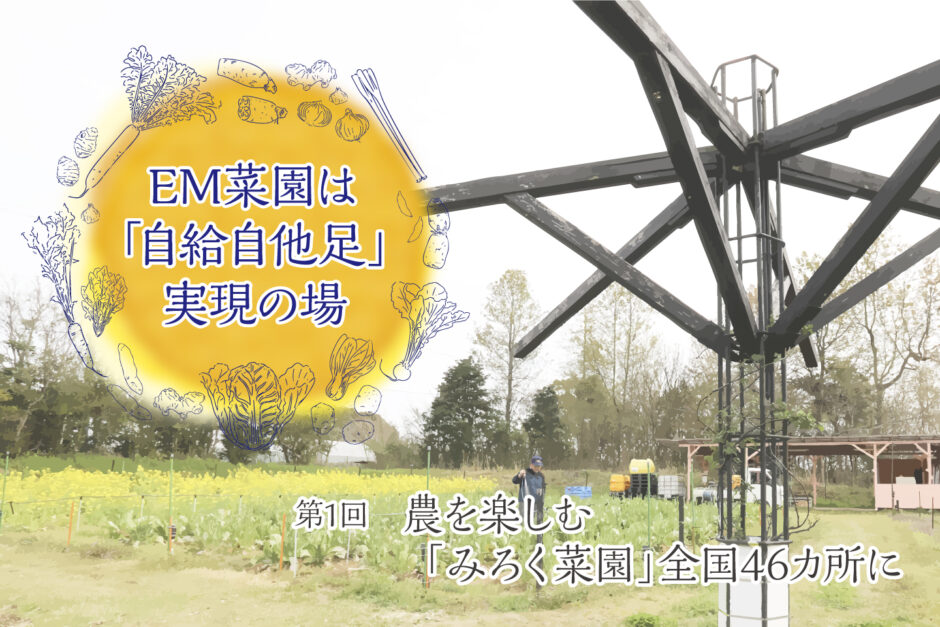
The Miroku Vegetable Garden is a nationwide agricultural initiative in Japan, with 46 locations across the country, primarily in Mie Prefecture. Led by the Miroku Community Kyusei Shinkyo (MC) in Tsu City, this project aims to revitalize abandoned lands, often covered with debris and invasive vines, by transforming them into fertile fields for growing rice and vegetables.
It also serves as a hands-on learning platform for beginners to practice sustainable farming with EM Technology and structured energy fields.
The core philosophy of Miroku Vegetable Garden is a concept that goes beyond the traditional concept of self-sufficiency to emphasize community sharing. Farmers not only grow food for themselves but also share their harvests and farming techniques with their neighbors, fostering mutual support and self-reliance.
To overcome these challenges, Miroku Vegetable Garden integrates EM Technology with EM energy fields structuring, following a step by step approach:
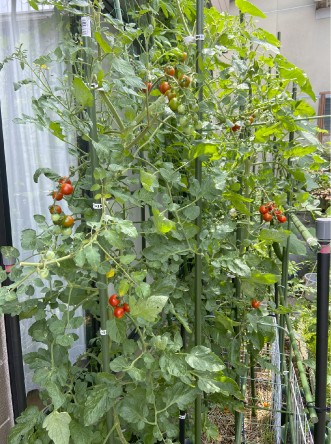
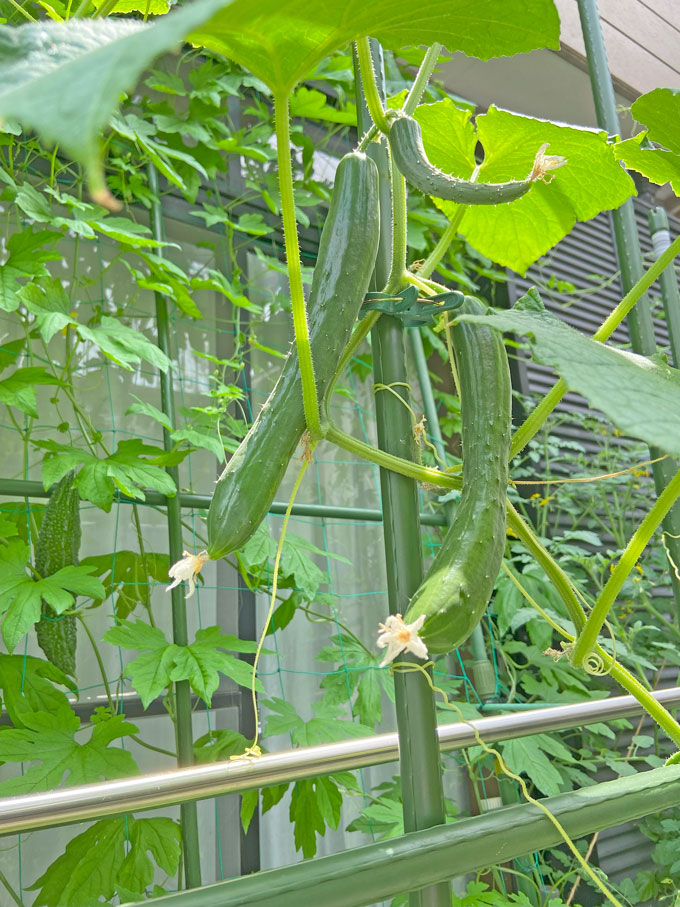
Cucumbers also grow healthy in a small space
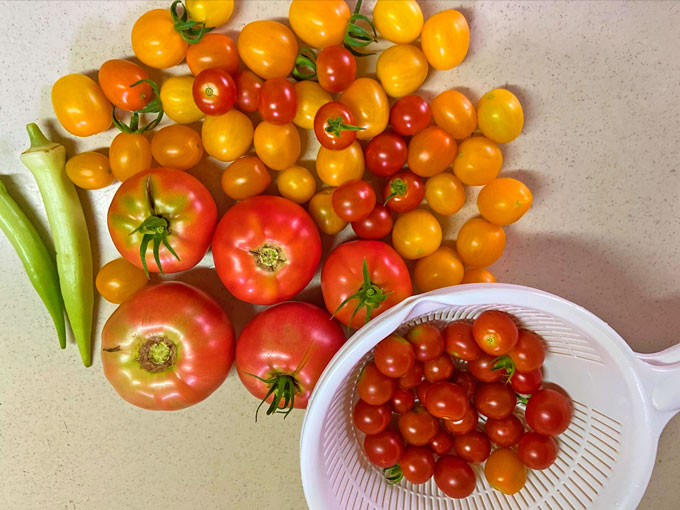
Harvest from planters
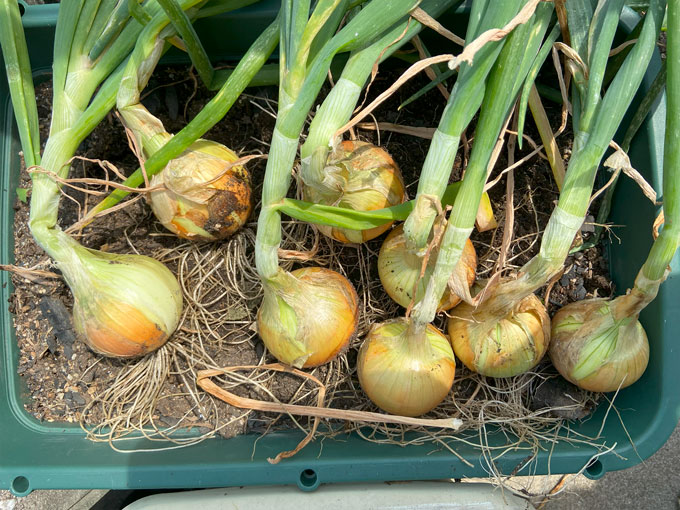
Even onions can be grown in planters.

Mr. Seiji Yamaji, shared his experience at the EM Universal Village Conference 2024
Mr. Seiji Yamaji, Head of the Natural Farming Division, said, “The first time I grew rice with EM Nature Farming, the taste was amazing, and sharing it with others brought me great joy.
Hearing their appreciation motivated me even more. Farming isn’t just about growing food, it’s about the love and gratitude we put into it. When we care for the plants, the microorganisms thrive and the soil flourishes.
I hope that more people will experience this joy and that Miroku Vegetable Garden will continue to grow.
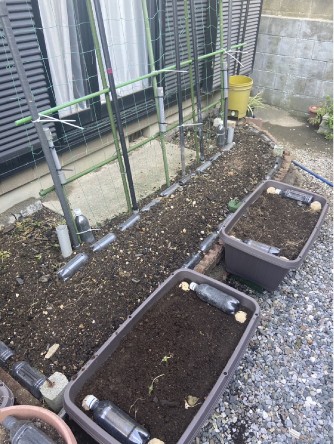
Mr. Atsushi Ogawa, EM Nature Farming Instructor and Member of the Board of Directors of United Networks for Earth Environment, said, “Even if someone wants to practice Nature Farming, many may not know where to start, especially if they don’t have land to grow crops. But “difficult conditions can actually be favorable.”
His small, narrow garden and the planters packed around his house show that you don’t need a large or ideal environment to get started.
*This report is an excerpt courtesy of WEB ECOPURE
2025.4.15 Updated

EM Research Organization, Inc.|
All Rights Reserved. 2025 © EM Research Organization