Tokashiki Farm has been growing Tankan oranges using EM Technology for years, ensuring high quality fruit through sustainable farming practices.
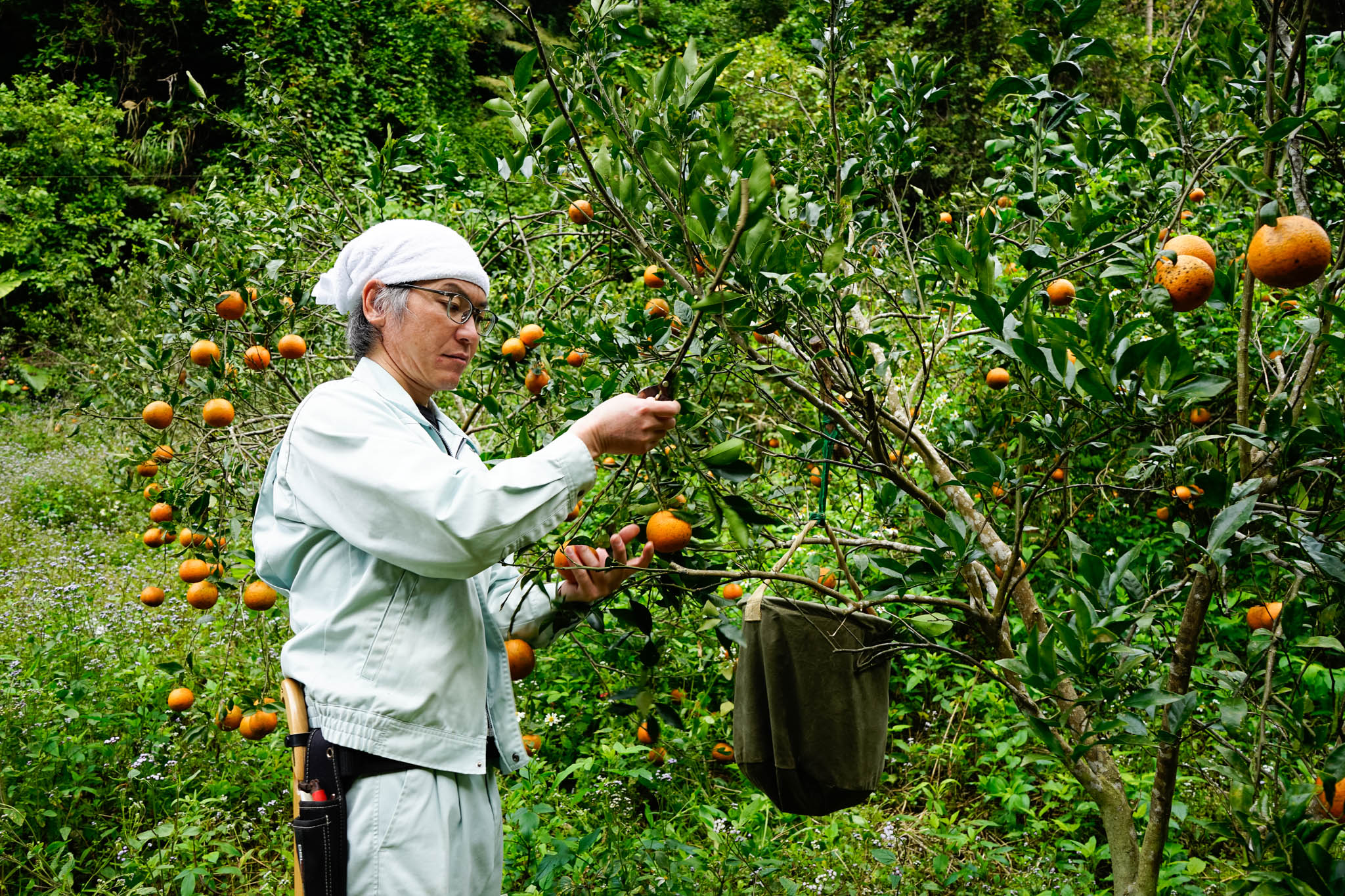
Since ancient times, Tankan oranges have been greatly valued in Okinawa for their sweet taste and abundant juice.
Introduced from China around 1896, these oranges thrive in Okinawa’s unique climate.
Tokashiki Farm, a family business, has been growing Tankan for over 50 years.
For over 30 years (as of 2025), they have adopted EM Technology into their farming practices to ensure high quality fruit production.
Like many fruit farms, Tokashiki Farm faced challenges such as maintaining soil health, reducing pesticide use, and mitigating bird damage.
To improve their growing methods while protecting the environment, they sought a natural and effective approach to farming.
To achieve sustainable agriculture, Tokashiki Farm applies a seawater AEM (Activated EM・1) solution by mixing 3% salt with AEM. This mixture is generously applied to the base of the trees twice a year, in March-April and September-October.
Inspired by a lecture by Prof. Teruo Higa at Meio University, the farm also incorporates salt into its practices, applying approximately 1250kg annually to improve soil and plant health.
In 2018, to address significant crop damage caused by birds, their farm installed a rectification barrier under the guidance of technical staff from the EM Research Organization.
This innovation resulted in a significant reduction in bird related losses, leading to more stable harvests.
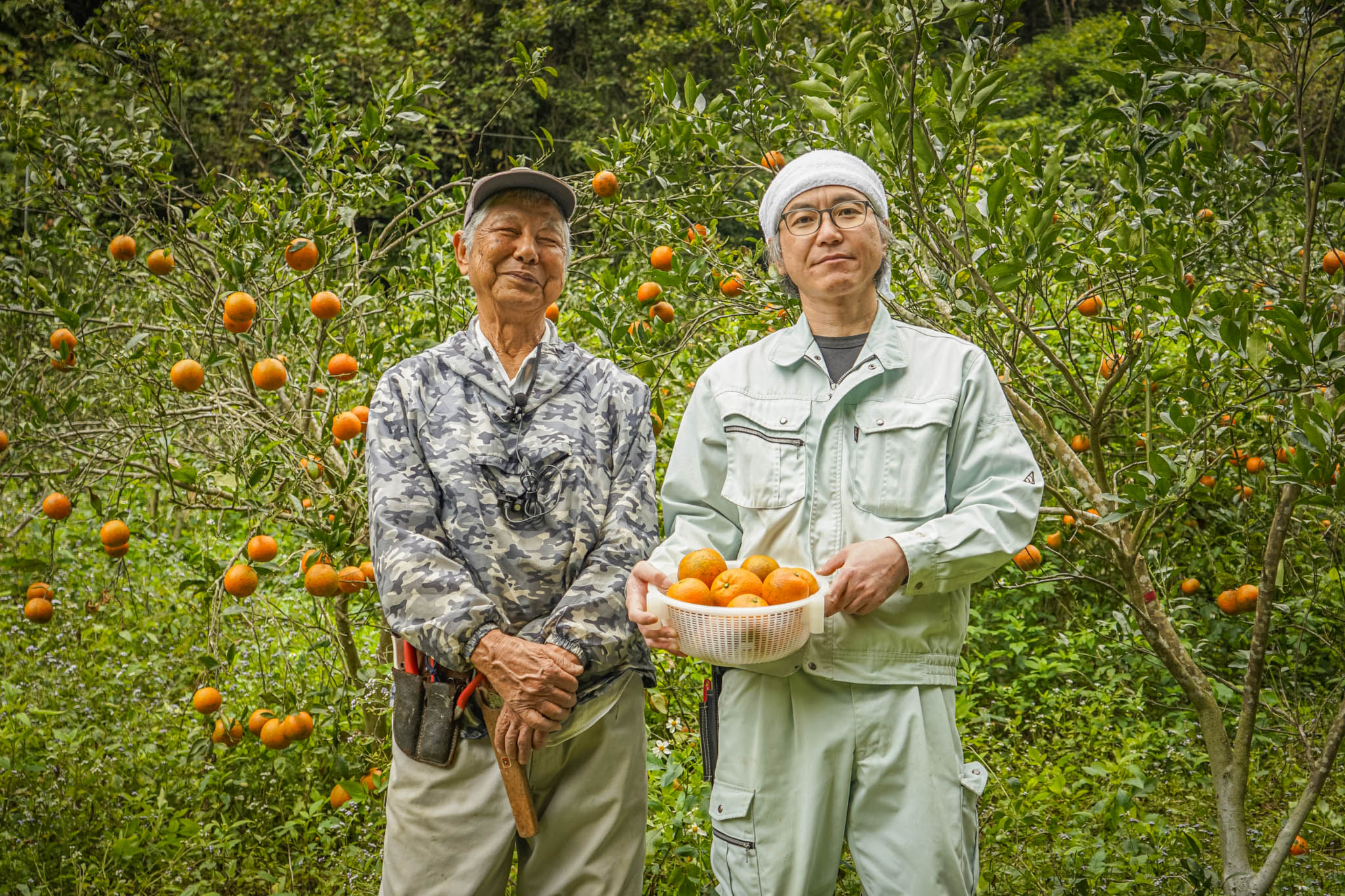
Mr. Tadatoshi Tokashiki, the 2nd generation (left) and Mr. Tadashi Tokashiki, the 3rd generation (right)
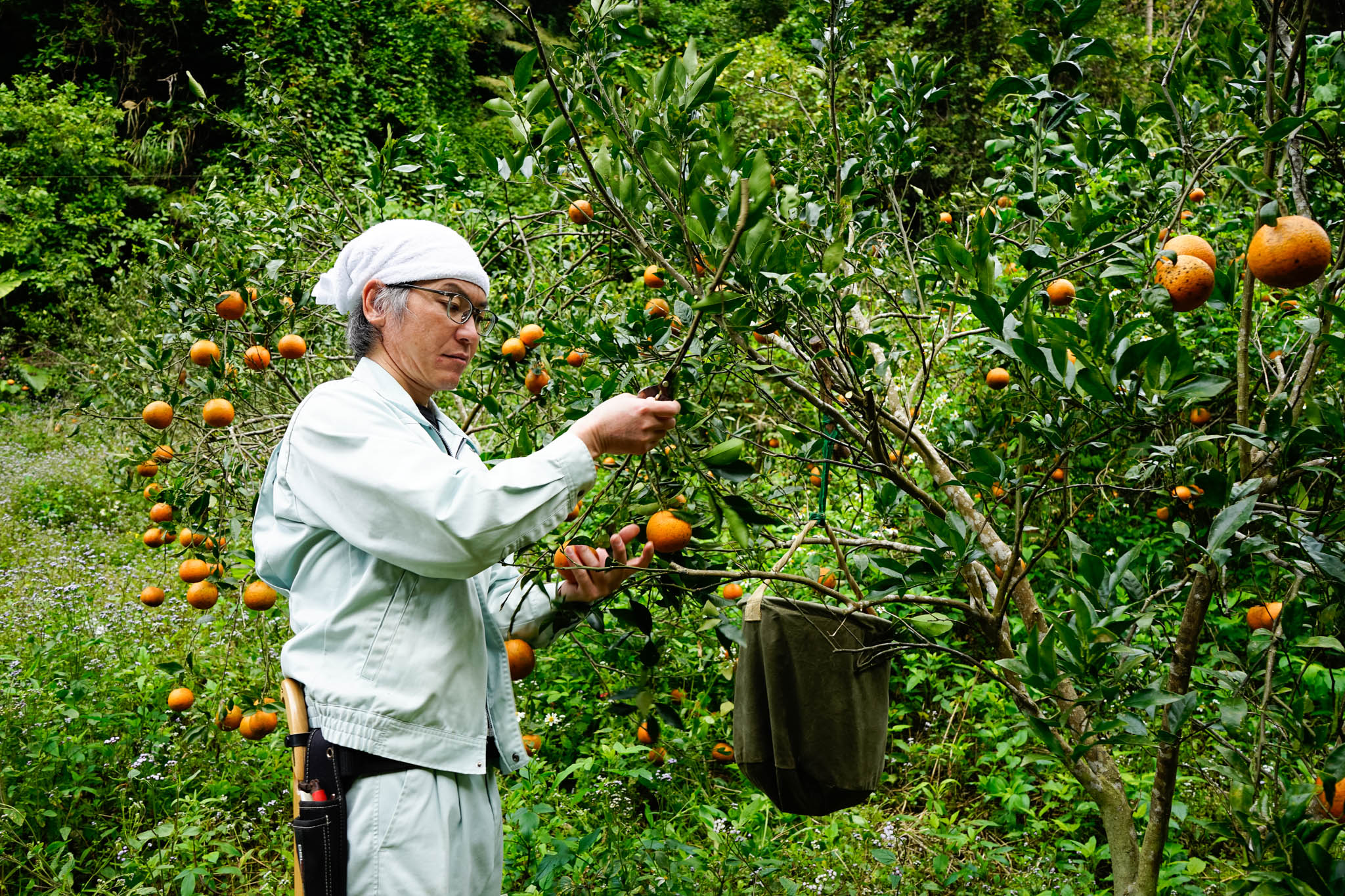
Each fruit is carefully harvested by hand.
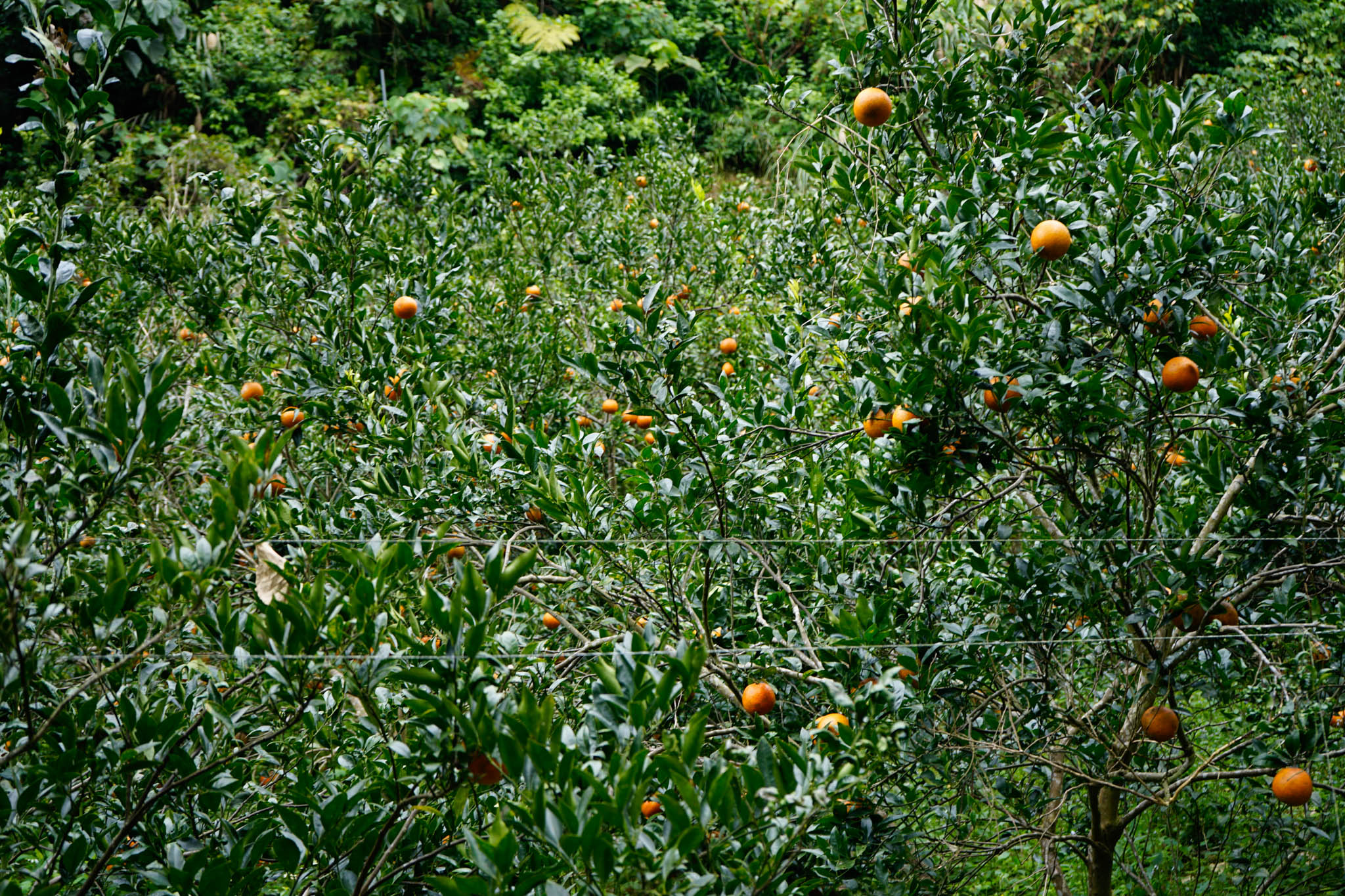
Tons of oranges are harvested annually.
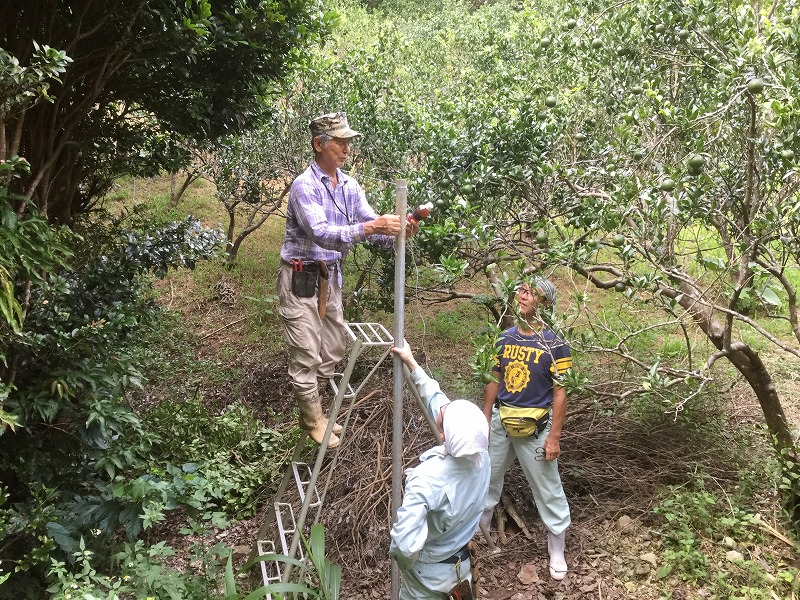
Installing an EM rectification barrier
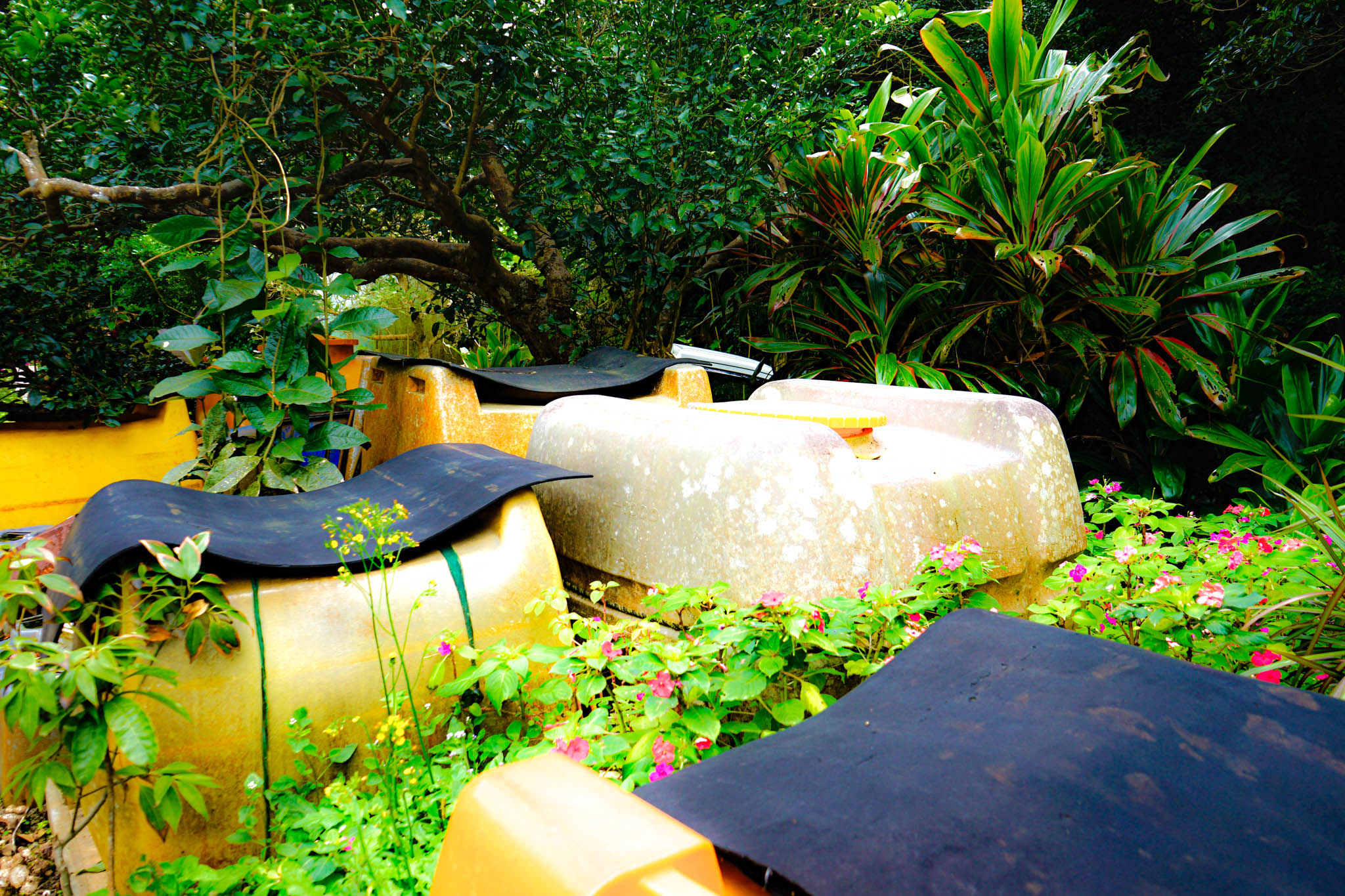
Sea water AEM solution tanks
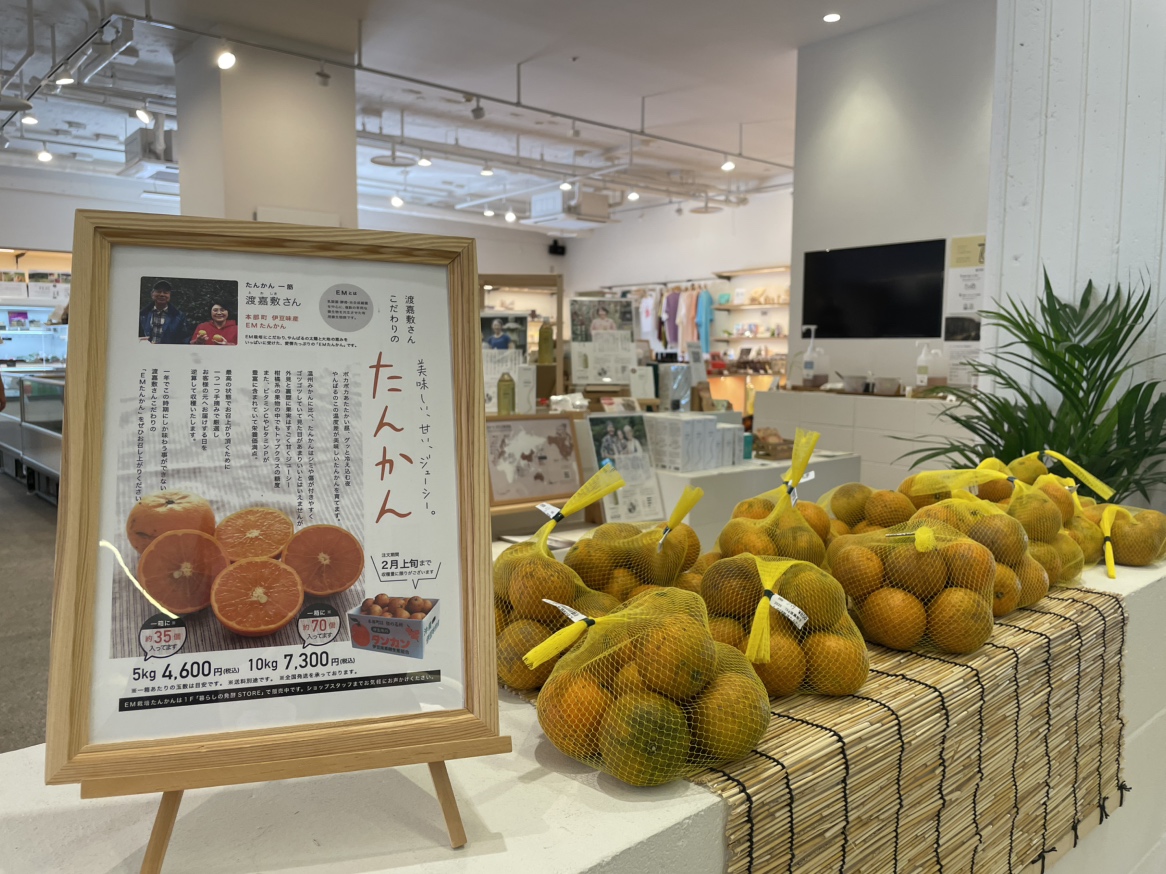
Tankan oranges are on sale at the EM Hotel shop from mid-Jan to Feb.
2025.3.10 Updated

EM Research Organization, Inc.|
All Rights Reserved. 2025 © EM Research Organization