Humus and Soil Aggregates
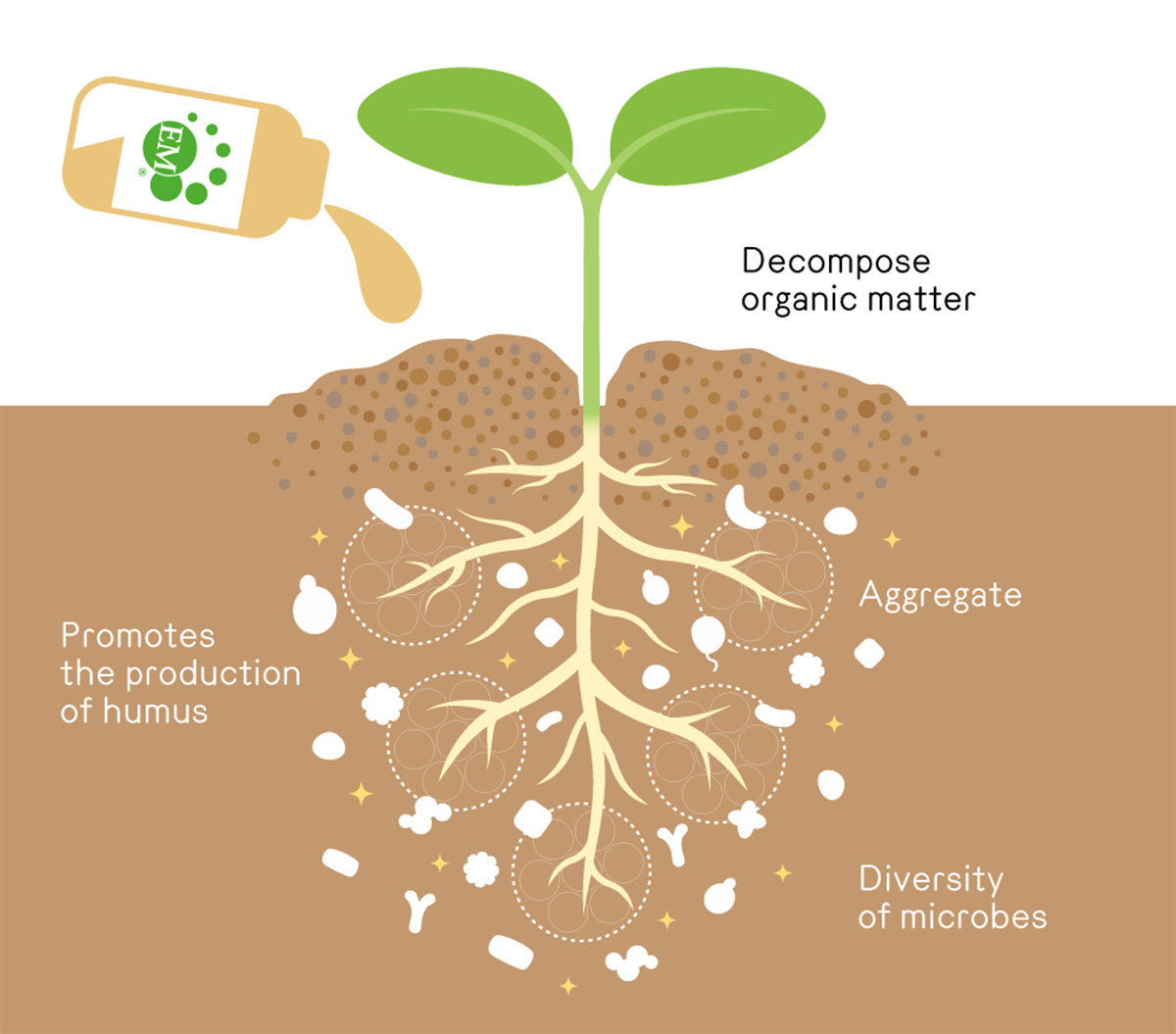
Soil ‘aggregates’ are tiny clumps of soil formed when individual soil particles bind together.
Aggregates greatly improve the soil’s ability to hold water and nutrients.
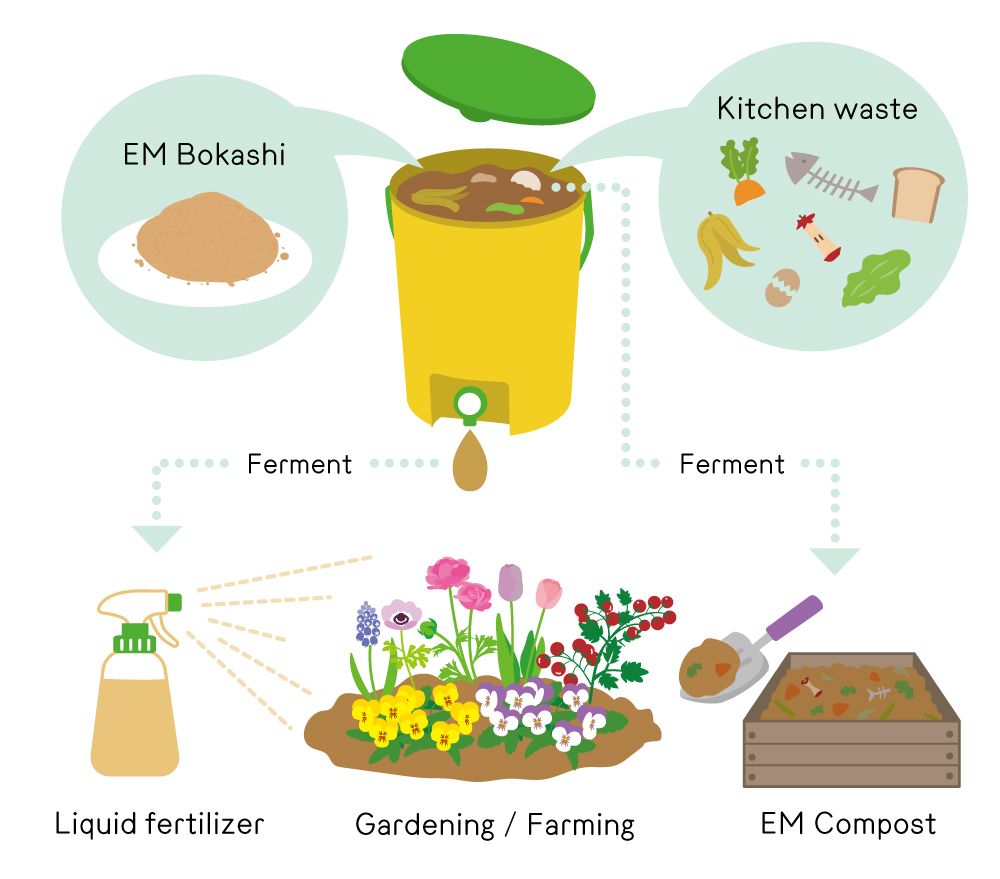
EM (Effective Microorganisms) helps decompose and ferment soil organic matter, such as plant residues. This process increases production of humus, a vital source of nutrients for plants and soil microbes. EM also helps disperse clay particles and produces metabolic byproducts that encourage the natural formation of soil aggregates.
In addition, live cultures in EM produce metabolites that feed beneficial microbes native to the soil and enhance microbial diversity. A richer microbial community supports organisms like earthworms, creating healthier, more fertile soil.
When soil aggregates form, they:
- Retain moisture, improving water-holding capacity.
- Hold dissolved nutrients (e.g., from fertilizers) for longer, making them more available to plants.
- Improve aeration, allowing roots to breathe and grow more strongly.
- Enrich microbial diversity, boosting overall soil health.
EM’s role in aggregate formation:
- Ferments organic matter like crop residues, increasing humus content that nourishes both plants and beneficial microbes.
- Disperses clay particles and produces metabolic substances that support the development of well-structured, aggregate-rich soil.
How EM Works in the Soil
Soil is teeming with life. Just one gram can contain billions of microorganisms. These organisms break down soil organic matter and help plants absorb nutrients. When microbial balance is disturbed, soil health declines, negatively affecting earthworms and other beneficial life. EM restores this balance by adding a rich mix of beneficial microbes.
These microbes:
- Increase microbial diversity.
- Support larger soil organisms like worms and protozoa.
- Create a healthier, more active ecosystem.
As the soil improves, harmful bacteria are naturally suppressed, reducing the risk of crop failure and promoting strong, healthy growth of crops.
Combating Continuous Cropping Disorders
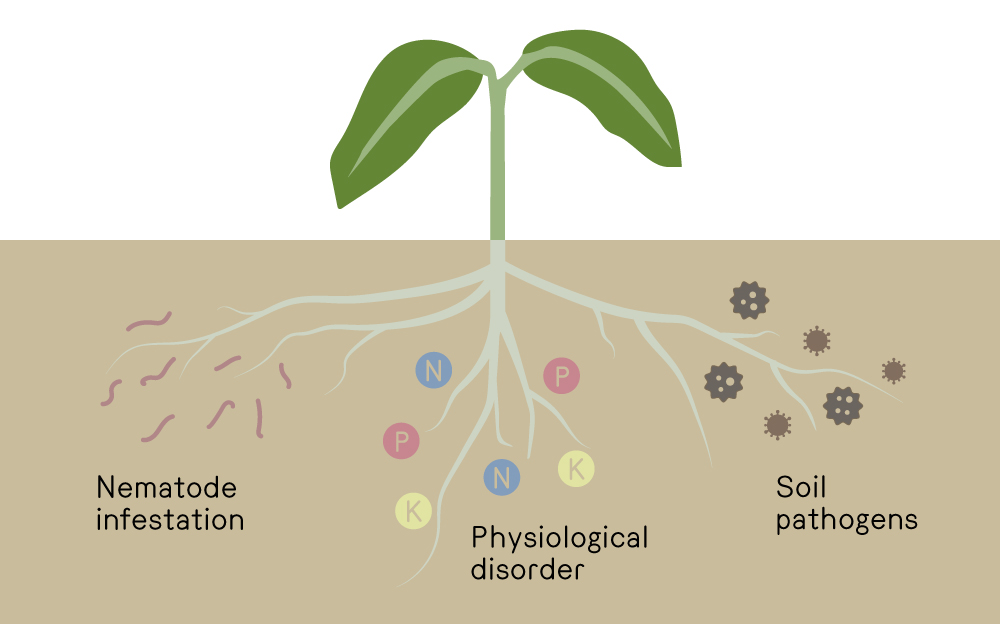
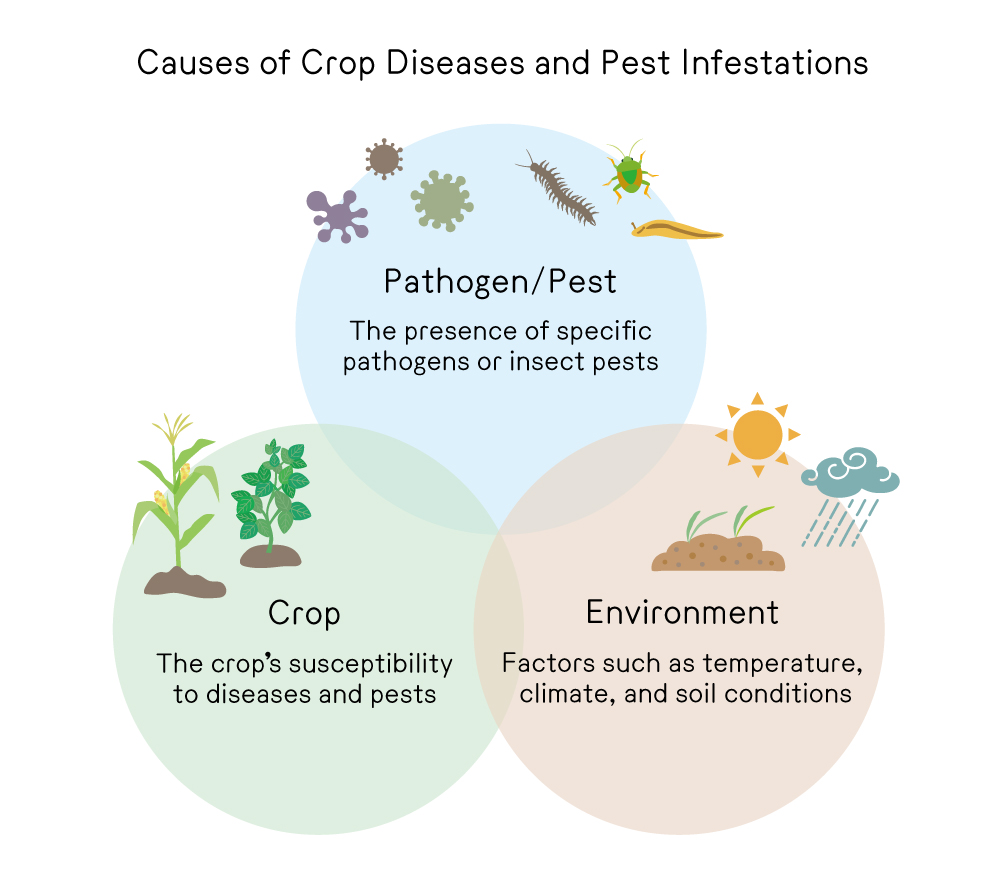
Continuous cropping disorders occur when the same crop is grown repeatedly in the same field, leading to reduced growth and yield. Causes include nutrient imbalance, pathogen buildup, pest pressure, and loss of soil microbial diversity.
Applying EM can help to mitigate these issues by restoring microbial balance, reducing nutrient depletion, suppressing pathogens, and improving soil structure.
When continuous cropping disorder occurs:
- Soil nutrients are depleted or imbalanced.
- Pathogens and pests increase.
- Microbial balance deteriorates.
- Soil becomes compacted, reducing aeration and drainage.
EM counteracts these effects by:
- Correcting nutrient imbalance.
- Promoting microbial diversity and healthy soil biology.
- Suppressing pathogens and pests while improving soil structure.
Reducing Salt Damage (Salinity Stress)
Salinity stress occurs when soil salt concentrations are too high, disrupting root water absorption, damaging plant cells, and degrading soil quality. This reduces both yield and crop quality.
Research shows that EM can reduce soil salinity and improve plant performance under saline conditions.
How EM fights salinity stress:
- Produces antioxidants that suppress reactive oxygen species (ROS) and repair cell damage.
- Improves soil structure and encourages beneficial microbes.
- Enhances the leaching of excess salts, strengthening plant tolerance to salinity.
- Stimulates plant growth, increasing yield and mitigating loss of quality.