Noxious odors from sewage and organic decay
Breakdown of sanitation infrastructure and increased risk of infectious diseases
Contaminated water supplies and insect infestations in stagnant water
Mold and mildew growth in water-damaged homes
Mental and emotional stress from prolonged exposure to unsanitary environments
Limited effectiveness of chemical disinfectants due to unsanitary conditions
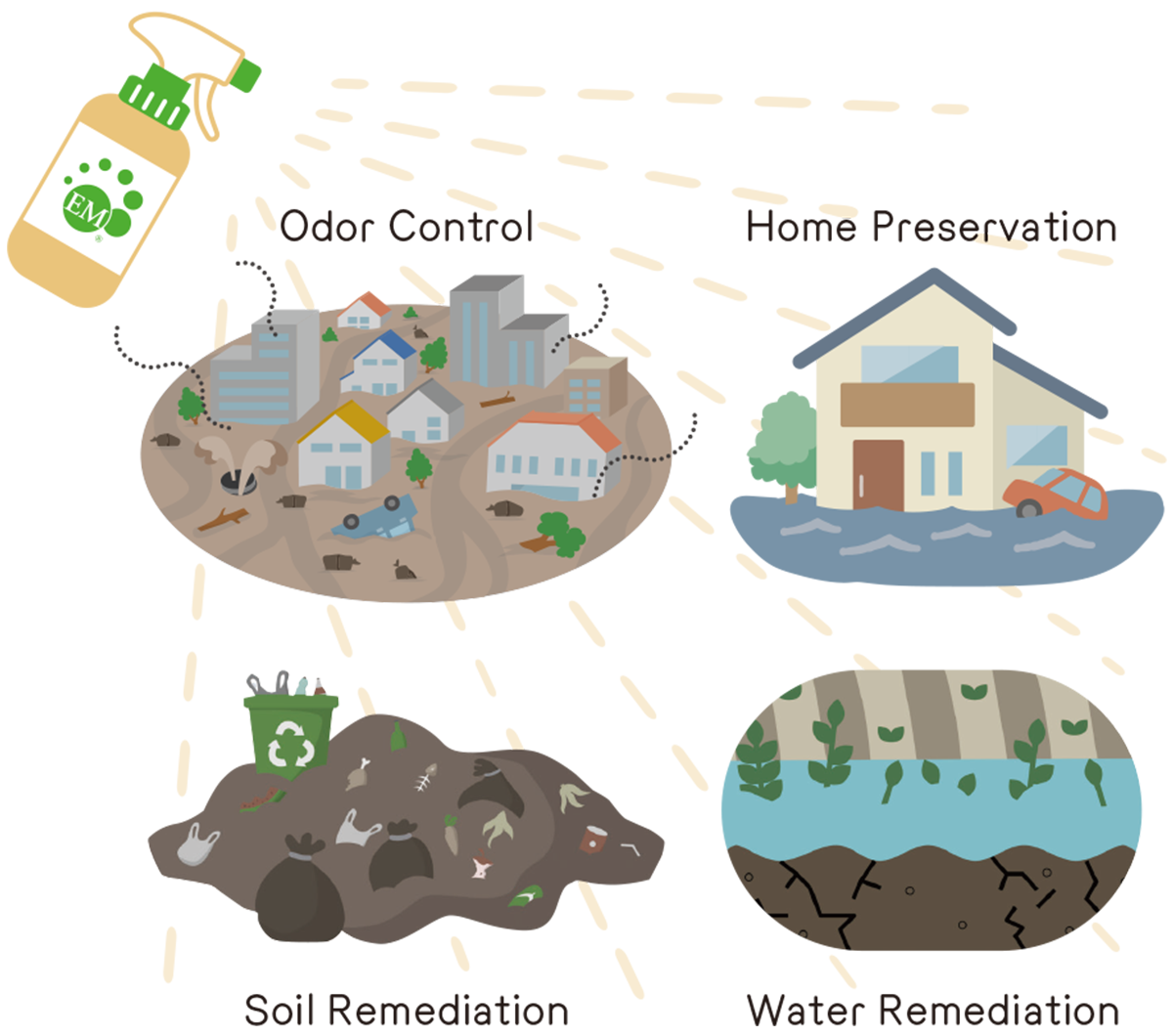
EM is widely used to treat sludge and sewage, and it has been shown to reduce foul odors, Escherichia coli , and harmful pathogens.
At disaster sites, major problems include unpleasant smells, large volumes of sludge, inflow of contaminated water, and food spoilage due to lack of refrigeration or electricity.
EM helps address these challenges effectively on-site.
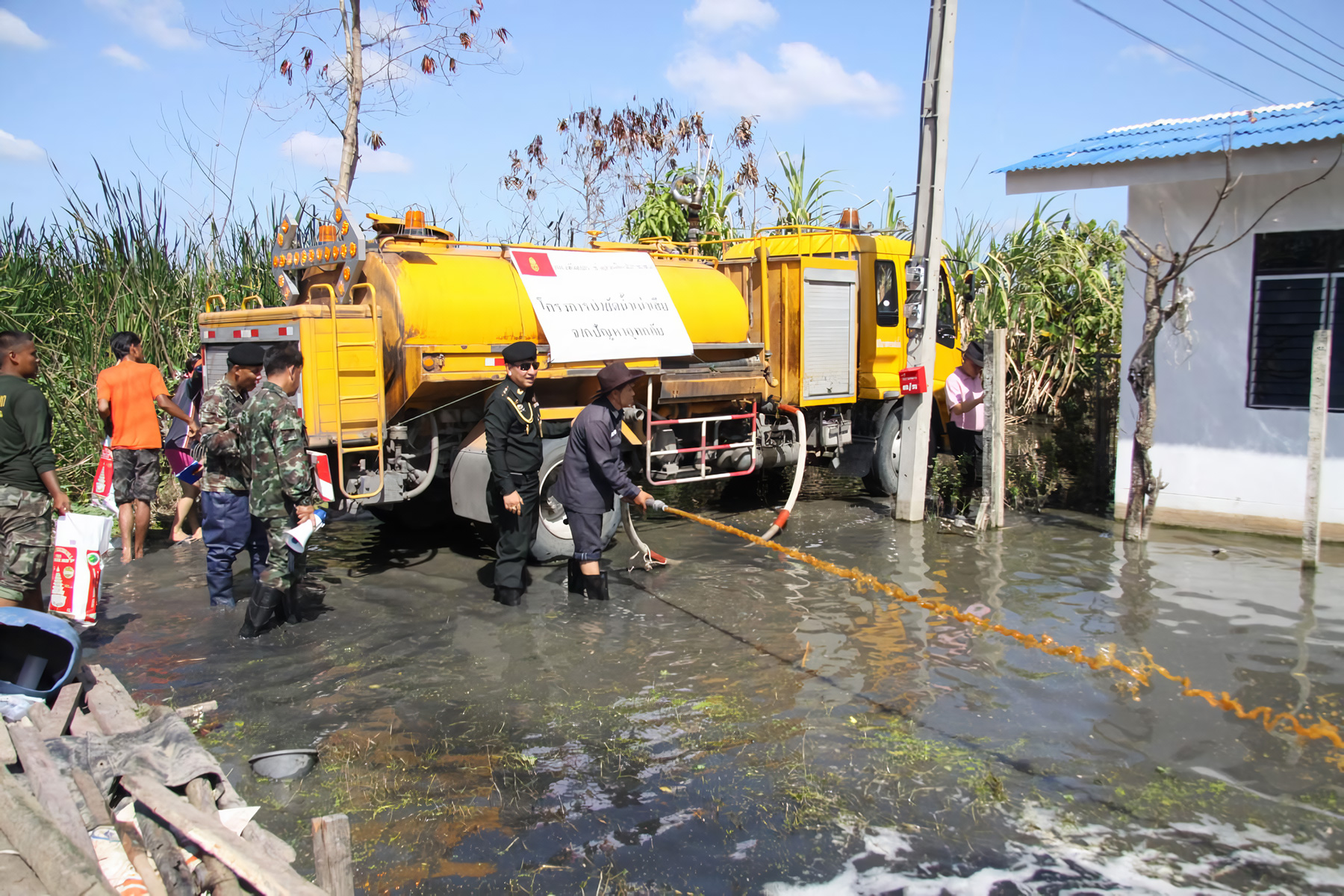
In 2011, Thailand suffered the worst flood in the country's history. The Ministry of Natural Resources and Environment, the Ministry of Defense, and the Royal Thai Army led emergency response efforts, supplying EM materials and providing technical guidance.
The Royal Thai Army produced and distributed 10-20 tons of Activated EM- 1 (AEM) per day, ultimately delivering 2,280 tons of AEM across 14 central provinces.
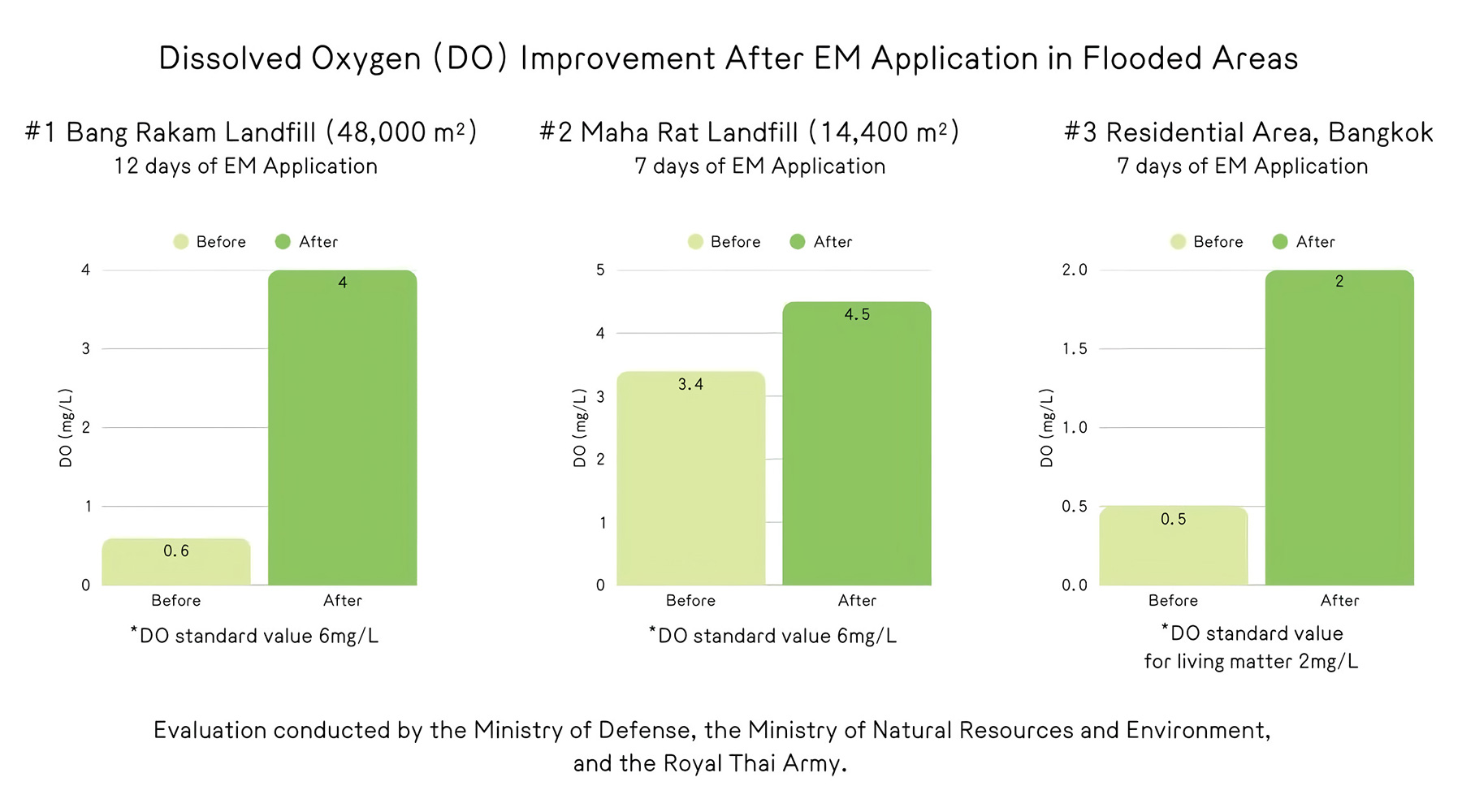
To evaluate the impact of EM on floodwaters, the government monitored water quality by measuring dissolved oxygen (DO) levels before and after treatment, resulting in clearly positive improvements.
Learn more about this story here: EM to Fight the Worst Flood in Thailand History
EM Technology provides an eco-friendly tool in times of crisis. Its ability to restore balance in soil, water, and living environments, without harming people, animals, or ecosystems, makes it easy for use in homes, shelters, schools, and farms.
From Asia to Europe, EM Technology is helping communities recover safely. Its growing use in disaster resilience efforts shows its value as a global, sustainable solution.

EM Research Organization, Inc.|
All Rights Reserved. 2025 © EM Research Organization